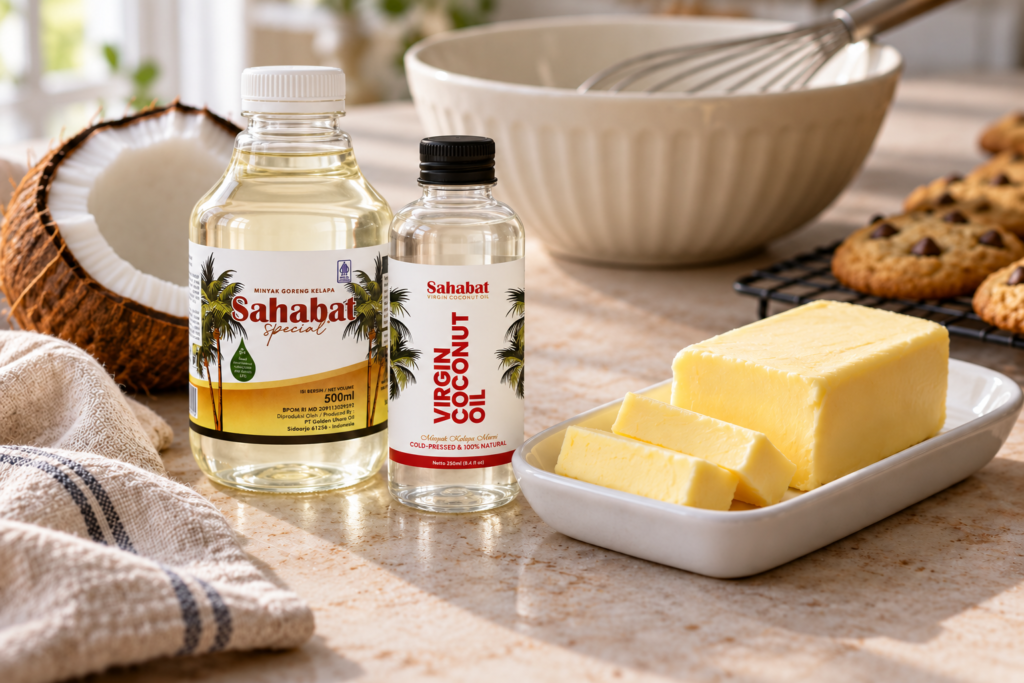
Yes, you can use coconut oil instead of butter in some baking recipes, but the result may change in flavor, texture, and spread. An equal-volume swap can be a starting point in suitable recipes, not a guarantee of identical results. The most reliable option is a tested recipe that already specifies coconut oil. [1][3]
Before using coconut oil instead of butter, read the method as well as the ingredient list. Melted butter stirred into a batter performs a different job from softened butter beaten with sugar or cold butter folded into pastry.
Table of Contents
Coconut Oil vs. Butter: What Changes in Baking?
Butter contains fat, water, and milk solids. King Arthur Baking describes its standard baking butter as at least 80% fat, around 18% water, and 1–2% milk solids. Coconut oil is essentially all fat. [2]
This means replacing 100 g of butter with 100 g of coconut oil increases the fat and removes the water that the butter would have supplied. Equal weight does not mean equivalent composition.
| Property | Butter | Coconut oil |
|---|---|---|
| Composition | Fat, water, and milk solids | Essentially all fat |
| Flavor | Characteristic buttery flavor | Depends on whether it is refined or virgin |
| Physical state | Can be cold, softened, or melted | Can be firm, soft, or liquid depending on temperature |
| Recipe behavior | Contributes moisture and responds to specific mixing methods | May change dough handling and the finished texture |
The practical question is therefore: what does the butter do in this particular recipe?
How Much Coconut Oil Should You Use Instead of Butter?
There is no single conversion that reproduces butter in every baked product. Some substitution guidance uses equal volumes. For example, King Arthur Baking recommends replacing butter by volume when discussing dairy-free fats for pie crusts, while noting that the resulting crusts differ. [3]
Where a recipe or its author explicitly supports an equal-volume substitution, the measurements look like this:
| Butter specified | Coconut oil for that equal-volume trial |
|---|---|
| 1 tablespoon | 1 tablespoon |
| ¼ cup | ¼ cup |
| ½ cup | ½ cup |
These are measuring examples, not a tested conversion for every cake or cookie. Measure the oil in the state required by the recipe, avoiding air gaps if measuring solid oil.
For recipes written in grams, use a tested gram-based adaptation where possible. Do not interpret “1:1 by volume” as “1:1 by weight.” Similarly, reducing the oil to match butter’s fat percentage does not automatically recreate butter: its water, milk solids, and physical structure still differ.
Which Baking Recipes Are Better Candidates?
Use the following as a decision guide rather than a promise of success.
| Recipe type | What to consider |
|---|---|
| Stir-together muffins and quick breads | A practical place to look for recipes already designed around oil |
| Brownies using melted butter | Check for a tested oil variation; do not assume the same crust or firmness |
| Cookies | Test a small batch because spread and texture can change |
| Cakes made by creaming butter and sugar | The fat’s consistency and aeration matter |
| Pie crust | Coconut oil can work, but expect a different texture |
| Croissants and puff pastry | Use a specifically developed recipe instead of a casual substitution |
Muffins, Banana Bread, and Stir-Together Cakes
Recipes mixed by stirring or blending often use liquid oil. King Arthur Baking distinguishes these from cakes that depend on creaming butter and sugar. [4]
For a banana loaf or muffin, start by finding an oil-based version with the texture you want. Follow its quantities and method rather than changing the fat in an unrelated recipe and expecting the same result.
Cookies
Changing the fat can affect how a cookie spreads, feels, and tastes. In a controlled chocolate chip cookie comparison, King Arthur Baking substituted fats by volume and found different outcomes even when the remaining method was held consistent. [1]
For your first trial, bake a few cookies before committing the whole tray. Note the dough temperature and evaluate the cookies after cooling. A warm cookie alone does not show how the finished batch will handle or pack.
Creamed Cakes
Creaming softened butter with sugar helps establish a cake’s structure. Simply pouring liquid coconut oil into that step changes the method. [5]
Coconut oil can be creamed when it has a suitable solid-but-workable consistency, but it does not have butter’s exact properties. [1] For a birthday cake or a bakery order where consistency matters, choose a recipe developed for the fat you plan to use.
Pie Crusts and Layered Pastry
King Arthur Baking’s pie tests describe coconut-oil crust as sturdier and less flaky than butter crust, and recommend using the oil in solid form for the crust. [3]
That guidance does not make coconut oil a universal replacement in croissants or puff pastry. Butter’s water contributes steam during baking, and the handling of distinct fat layers matters. [2] Use a purpose-developed alternative recipe for laminated pastry.
Refined or Virgin Coconut Oil: Which Should You Choose?
Refined coconut oil generally has a more neutral flavor, while virgin coconut oil can contribute a noticeable coconut aroma and taste. [1]
Choose according to the flavor you want in the finished bake. A coconut note may suit a chocolate or tropical-flavored recipe, while a neutral oil may better fit a recipe where vanilla or another ingredient should lead.
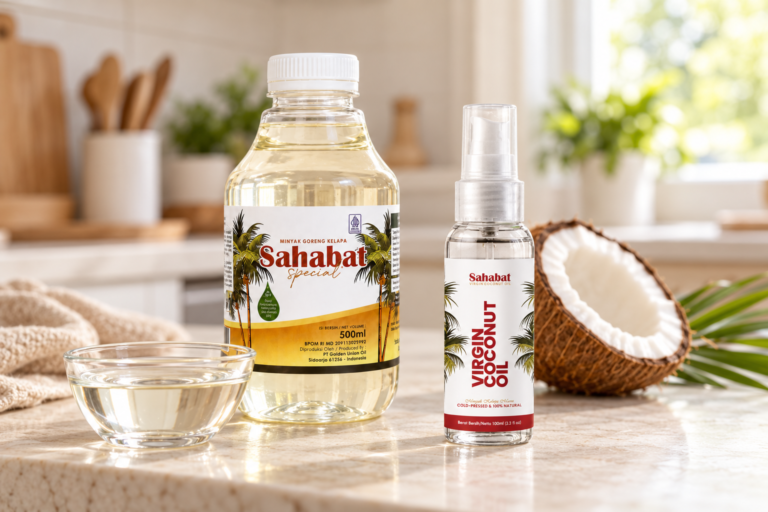
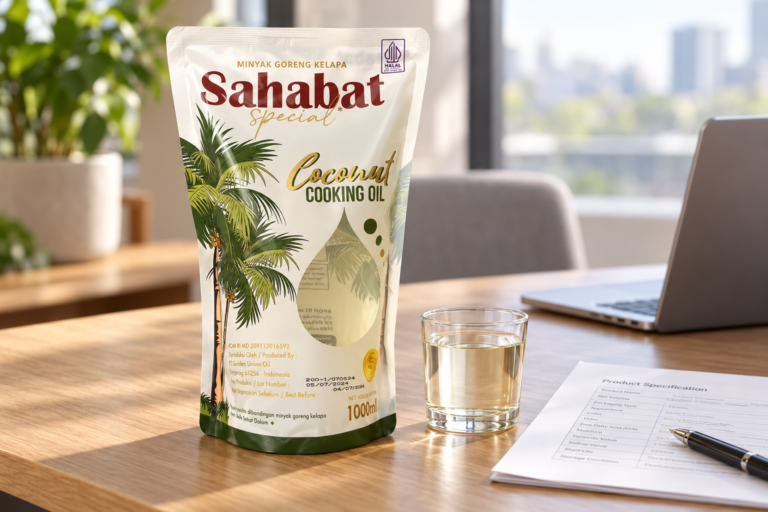
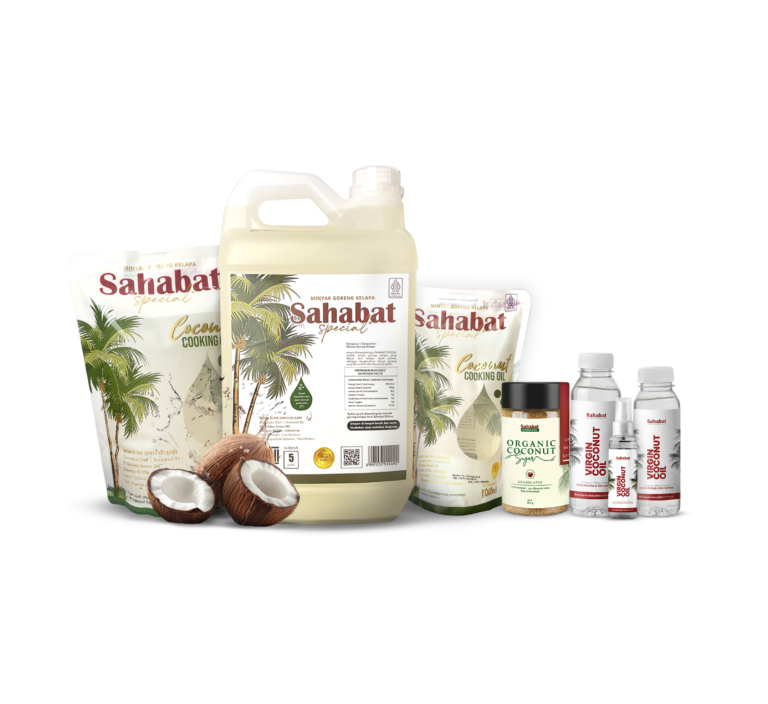
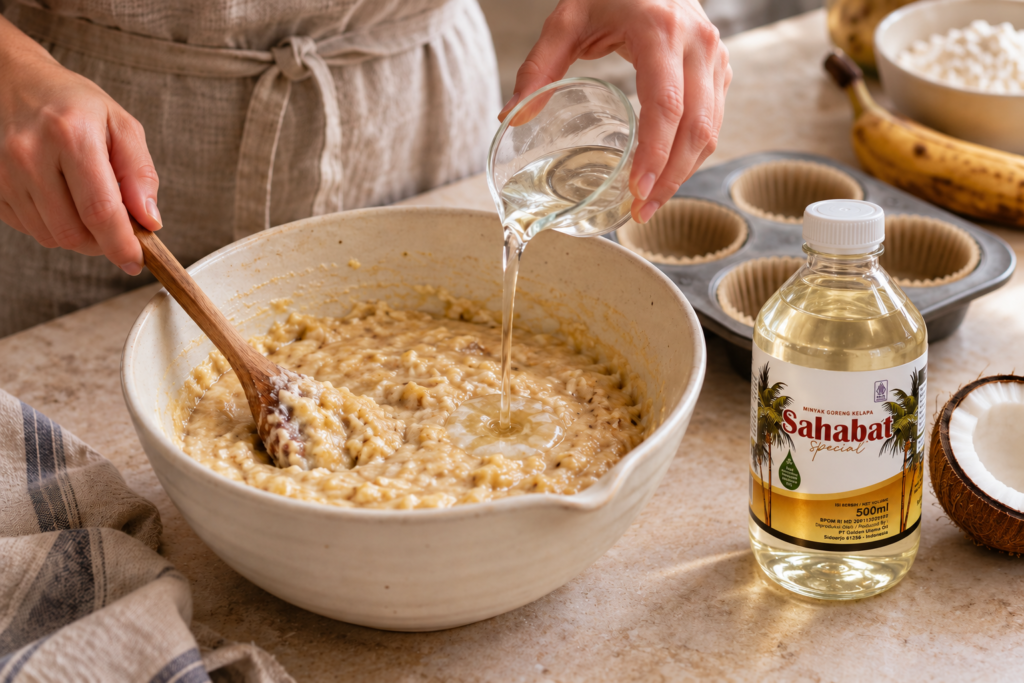
For Sahabat products, check the exact product label and description before choosing. Assess the finished bake using the specific oil you will continue purchasing.
Should Coconut Oil Be Melted or Solid?
Follow the recipe’s instructions for the fat’s state. “Room temperature” is not a dependable description of coconut oil’s consistency in every kitchen.
In a warm Indonesian kitchen, the oil may already be liquid. An air-conditioned preparation area may produce a different consistency. Check the oil itself rather than assuming that leaving it on the counter makes it suitable for creaming.
For a recipe that specifies melted coconut oil, melt it gently and use it as directed. For one that specifies softened or solid oil, prepare that consistency before mixing. Chilled coconut oil can become too hard to cream effectively. [6]
A Simple Workflow for Your First Baking Trial
- Choose a suitable recipe. Prefer one that includes coconut oil or provides an author-tested variation.
- Read the full method. Identify whether the fat should be melted, softened, or cold.
- Confirm the measurement basis. Keep volume-based and weight-based instructions distinct.
- Change one variable at a time. Keep the flour, sugar, eggs, pan, and oven settings consistent for the first comparison.
- Make a small batch. Record the oil type, amount, consistency, and any chilling time.
- Evaluate after cooling. Compare flavor, texture, appearance, and handling at the intended serving temperature.
For cafés and bakeries, repeat a successful trial before scaling up. Include the fat’s required consistency in the production instructions so another baker can reproduce the process.
Frequently Asked Questions
Can I replace butter with coconut oil 1:1?
An equal-volume swap is used in some recipe guidance, but it does not guarantee the same result. Follow recipe-specific directions, and do not confuse equal volume with equal weight.
Will my cake taste like coconut?
It depends on the oil and the other ingredients. Virgin coconut oil generally contributes more coconut flavor; refined oil is usually more neutral.
Can I use liquid coconut oil when the recipe says to cream butter?
Do not treat it as the same step. Creaming relies on the fat’s consistency. Use a tested coconut-oil version and follow its temperature and mixing instructions.
Does replacing butter make the recipe dairy-free or vegan?
Replacing butter removes one dairy ingredient. Milk, cream, milk chocolate, and other ingredients may still contain dairy. A recipe containing eggs is not vegan. Review the complete ingredient list and relevant labels. [7]
Can coconut oil replace butter in shortbread?
Expect a different result in a recipe centered on butter’s flavor and texture. Use a coconut-oil shortbread recipe rather than assuming that a direct substitution will reproduce traditional shortbread.
Explore Coconut Oil for Your Next Bake
Using coconut oil instead of butter starts with matching the ingredient to the recipe. Choose the flavor you want, follow the required fat consistency, and test a small batch before making a larger quantity.
Explore Sahabat Coconut Oil for product information. For home baking or business use, contact the team to confirm the available oil types and current product specifications.
Sources
- King Arthur Baking — Butter? Oil? Shortening? Which fat makes the best chocolate chip cookies?
- King Arthur Baking — Butter for baking
- King Arthur Baking — Dairy-free pie crusts and fillings
- King Arthur Baking — A breakdown of all the different cake mixing methods
- King Arthur Baking — Cake guide
- King Arthur Baking — Fat substitutes in gluten-free baking
- King Arthur Baking — How to bake dairy-free
Masak Lebih Sehat dengan Minyak Goreng Kelapa Sahabat
100% minyak kelapa murni untuk rumah tangga, usaha, dan industri. Belanja online atau hubungi tim kami.