Choosing coconut oil packaging for foodservice involves more than comparing container sizes. The right format should suit how your team receives, stores, measures, and dispenses oil during daily service.
Bottles are practical for smaller quantities and frequent handling. Jerrycans suit bulk supply where staff can manage pouring or controlled transfer. Bag-in-box can work well for organized bulk storage and dispensing, provided its outlet and handling requirements match the kitchen.
There is no single best format for every restaurant, bakery, hotel, or catering business. Start with your actual consumption and workflow, then compare the available packaging.
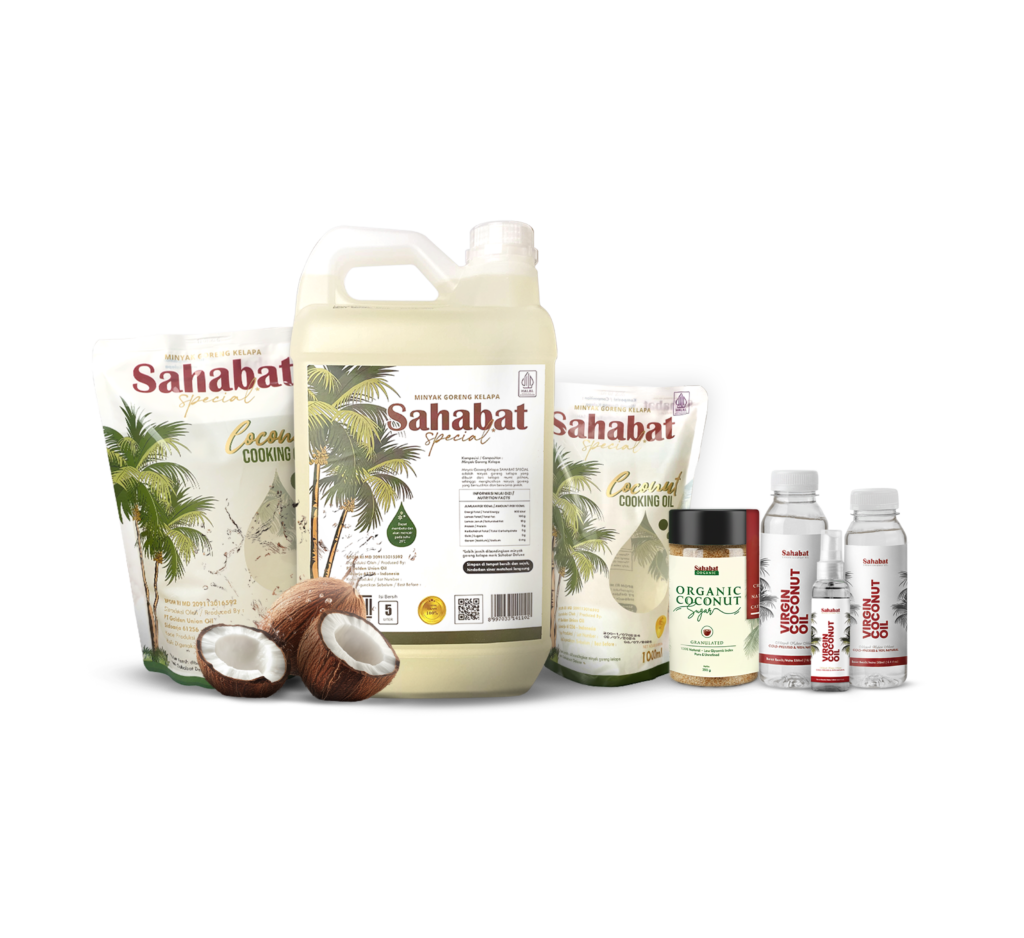
Table of Contents
Coconut Oil Packaging at a Glance
The table below provides a practical starting point. Actual performance depends on the container design, closure, dispensing equipment, and working conditions.
| Consideration | Bottles | Jerrycans | Bag-in-Box |
|---|---|---|---|
| Typical role | Smaller working quantities | Bulk supply and controlled transfer | Bulk storage and dispensing |
| Handling | Smaller packs are easier to lift repeatedly | Full containers require more handling effort | Full boxes also require suitable handling |
| Dispensing | Direct pouring, depending on the neck and closure | Pouring or a compatible dispensing attachment | Depends on the bag outlet, fitment, and accessories |
| Storage check | Shelf space and number of individual units | Footprint, handle clearance, and stacking instructions | Carton dimensions, dry storage, and stacking limits |
| Main question | Does the pack match usage at the workstation? | Can staff dispense without awkward lifting or spills? | Does the supplied outlet work with the kitchen setup? |
1. Bottles: Practical for Smaller Working Quantities
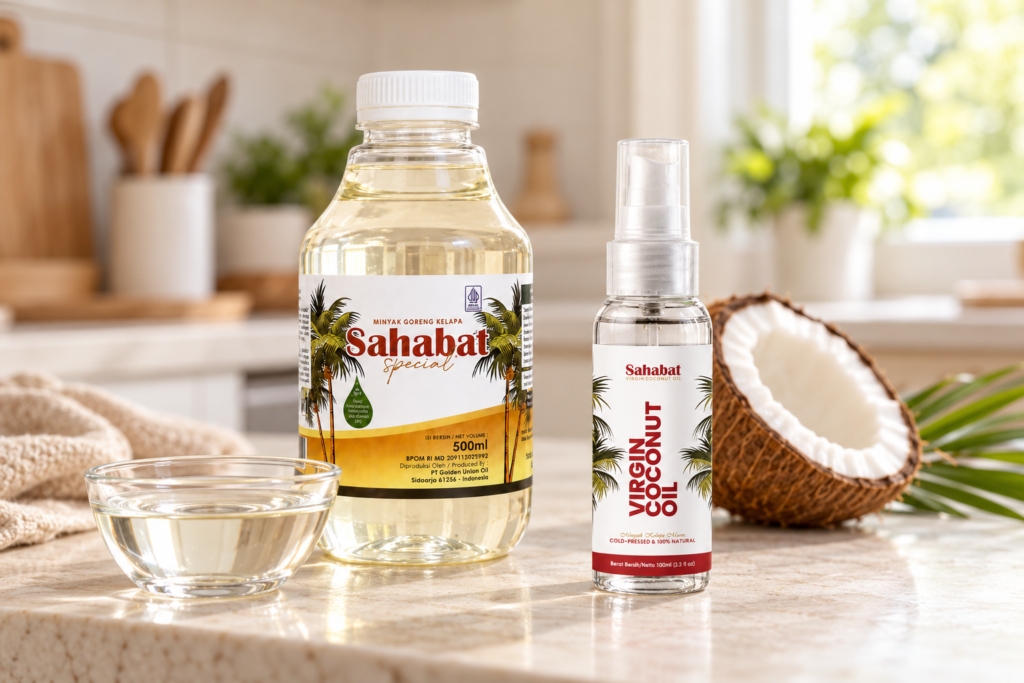
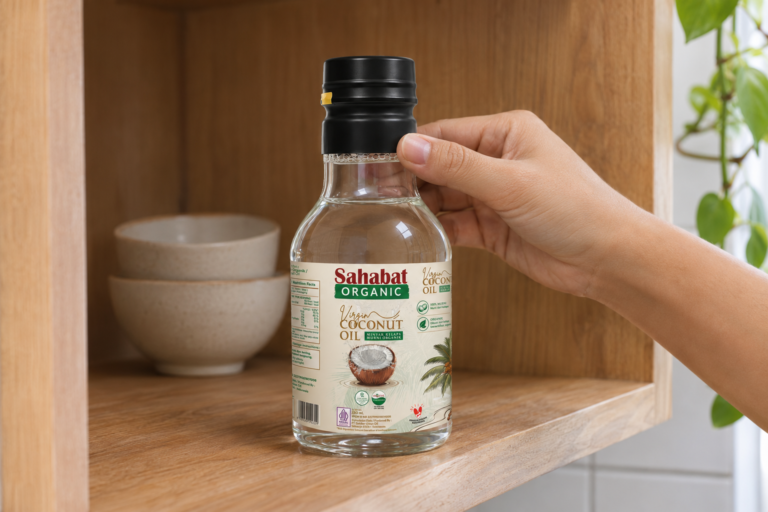
Bottles are worth considering when staff need to handle oil frequently in modest amounts.
Potential uses include:
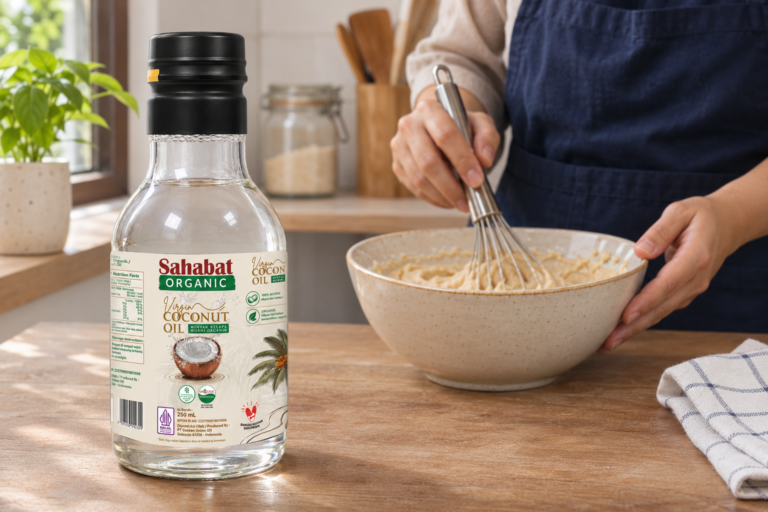
- Measuring oil for individual recipes.
- Preparing small batches of sauces or baked goods.
- Supplying a workstation with limited counter space.
- Testing a new coconut oil before ordering larger packs.
A smaller bottle may be easier to control when adding oil to a measuring vessel. However, pouring performance also depends on the bottle neck, closure, grip, and oil condition.
Before choosing a bottle, test whether staff can open, pour, and close it comfortably with the hands and equipment normally used in the kitchen.
When bottles may become less practical
A high-volume kitchen may spend more time opening, replacing, and disposing of small packs. Compare that handling effort with the convenience of using a larger supply container.
Bottles and bulk packs can also serve different roles within the same operation. If your kitchen transfers oil into smaller working containers, establish a procedure for cleaning, drying, identification, and traceability.
2. Jerrycans: A Bulk Option That Needs a Handling Plan
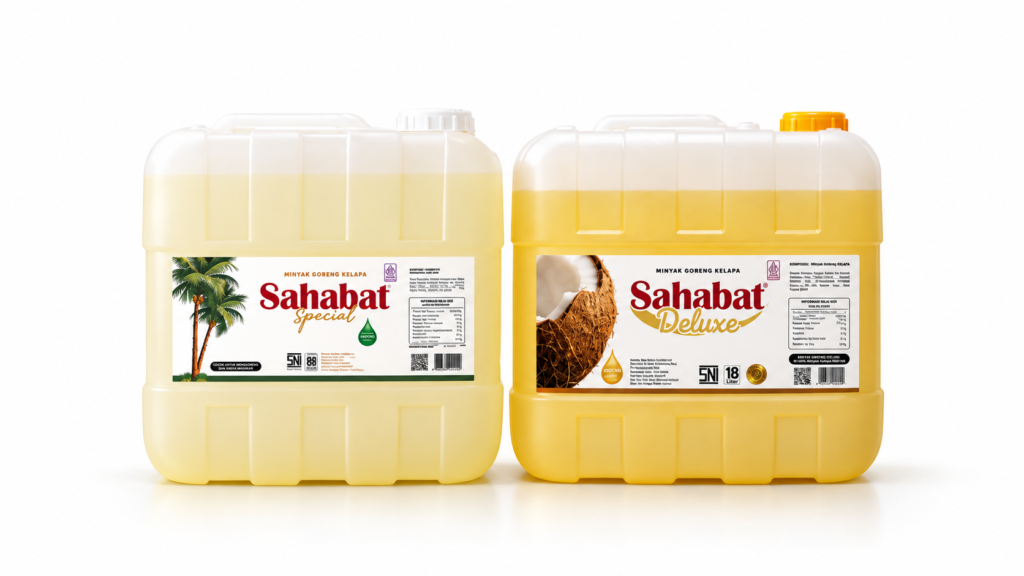
Jerrycans provide a larger supply of oil in a rigid container. They may suit kitchens that prepare substantial batches or transfer measured quantities into suitable working vessels.
The key question is how the oil will leave the container.
A handle helps staff carry a jerrycan, but it does not automatically make a full pack easy to pour. Consider the lifting height, available counter space, outlet design, and size of the receiving vessel.
Before purchasing, check:
- Filled container weight.
- Handle position and grip.
- Cap and seal design.
- Pouring control when full and nearly empty.
- Compatibility with any proposed pump or dispensing attachment.
- Supplier instructions for storage and stacking.
Do not assume a pump or tap will fit simply because it is sold for jerrycans. Confirm compatibility with the actual neck, closure, oil, and intended use.
When jerrycans may be less practical
A large container can create difficulties where staff must lift it repeatedly, pour into narrow openings, or work in a crowded preparation area.
Trial the complete process before placing a large order. Include opening, dispensing, closing, and returning the container to storage.
3. Bag-in-Box: Check the Dispensing System, Not Just the Box
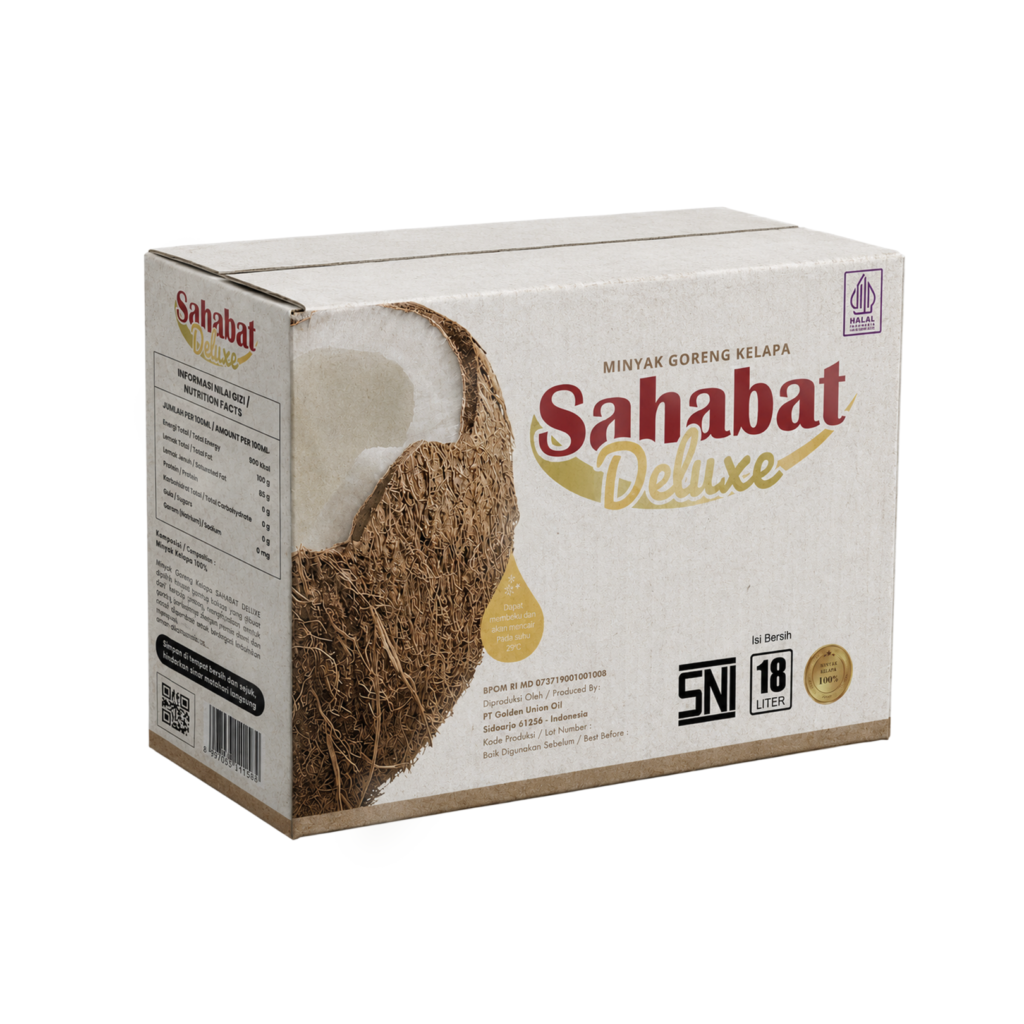
Bag-in-box, often abbreviated as BIB, combines an inner bag with an outer box. Packaging manufacturers offer edible-oil systems with different films and fitments, so the term describes a packaging format rather than one universal dispensing arrangement. Smurfit Kappa
For a foodservice buyer, the most important detail is how the supplied pack is opened and emptied.
Ask the supplier:
- Does the pack include a tap, spout, or another outlet?
- Is an additional connector or dispenser required?
- In what position should the pack be used?
- Does the bag remain inside the carton during dispensing?
- What are the storage and stacking limits?
- How should remaining oil be removed?
Do not assume every bag-in-box includes a ready-to-use tap. Request a photograph or demonstration of the exact supplied configuration.
When bag-in-box may be less practical
A kitchen with wet storage areas, unsuitable shelving, or no convenient dispensing position should assess whether the outer carton and outlet arrangement suit its operation.
Likewise, a package that works well in one kitchen may be awkward in another because of shelf height or access around the dispenser.
4. Account for Coconut Oil That Becomes Solid
Coconut oil can become solid or semisolid in cooler conditions. This matters when choosing an opening, pump, or outlet—not only when selecting the oil itself.
Consider where the product will actually be stored: an air-conditioned storeroom may behave differently from a warm kitchen.
During a packaging trial, check:
- Whether the oil remains pourable under normal storage conditions.
- Whether a narrow outlet becomes difficult to use.
- Whether staff can measure the required quantity consistently.
- What handling instructions the supplier provides if the oil solidifies.
Ask for a supplier-approved method before applying heat to a packaged product. The container, bag, closure, and oil may have different handling limits.
Read more: Why Does Coconut Oil Solidify?
5. Match Pack Size to Consumption
A larger pack is useful only if it fits the kitchen’s consumption and handling requirements.
For an initial comparison, calculate:
Estimated days to use one pack = pack volume ÷ average daily consumption
For example, a kitchen using 3 liters per day would use an 18-liter pack in approximately six operating days.
This is an inventory estimate, not a shelf-life recommendation. Follow the product’s storage instructions and any guidance for use after opening.
Also distinguish between liters and kilograms when comparing quotations. Coconut oil suppliers may quote different packaging formats by volume or net weight; Cargill, for example, lists several coconut oil bulk formats in kilograms. Cargill
6. Compare Cost per Usable Liter
The lowest pack price does not necessarily produce the lowest operating cost.
Compare equivalent oil specifications first, then assess:
- Delivered price per liter.
- Shipping and receiving costs.
- Time spent opening and dispensing.
- Spillage during normal handling.
- Oil remaining in the package.
- Storage space and disposal arrangements.
A useful purchasing calculation is:
Delivered cost per usable liter = delivered pack cost ÷ liters actually recovered for use
Track dispensing labor separately if you want a fuller operating-cost comparison.
Use measured results from a trial rather than assuming a particular format always creates less waste.
7. Run a Small Kitchen Trial Before Ordering in Volume
Test candidate packs during normal preparation and service.
Record how long staff take to dispense a standard quantity, whether spills occur, and how easily they can handle the pack when it is full and nearly empty.
For a fair comparison, use the same coconut oil specification where possible. Otherwise, differences in formulation or oil condition may be mistaken for packaging differences.
| Trial question | What to record |
|---|---|
| Is dispensing convenient? | Time needed and equipment used |
| Can staff control the quantity? | Spills and measurement adjustments |
| Does the pack fit the workspace? | Shelf footprint and dispensing clearance |
| Can the oil be recovered effectively? | Quantity remaining after normal emptying |
| Does the format suit storage conditions? | Pourability, pack condition, and handling issues |
Discuss Foodservice Packaging with Sahabat
Sahabat’s website lists 18 L jerrycan and 18 L bag-in-box options. Confirm the current product variant, availability, outlet configuration, and handling instructions when requesting a quotation. Minyak Goreng Kelapa Sahabat
To help identify a suitable option, share your average daily oil consumption, type of kitchen, storage conditions, and preferred dispensing method.
Contact Sahabat Coconut Oil to discuss packaging for your foodservice operation.
Frequently Asked Questions
Which coconut oil packaging is best for a small restaurant?
Bottles may suit modest consumption and frequent handling. A larger pack may be appropriate if the restaurant has sufficient turnover, storage space, and a convenient dispensing process.
Is a jerrycan always cheaper than bottles?
Not necessarily. Compare current delivered prices for equivalent oil, then account for handling, spillage, and remaining product.
Does coconut oil bag-in-box always include a tap?
No. Confirm the exact outlet and any accessories required before ordering.
Can coconut oil solidify inside a jerrycan or bag-in-box?
Yes. Packaging does not prevent temperature-related solidification. Check actual storage conditions and follow the supplier’s handling instructions.
Can a kitchen use more than one packaging format?
Yes. Bulk supply and smaller workstation quantities can serve different needs. Any transfer process should include suitable containers, clear identification, and traceability.
Masak Lebih Sehat dengan Minyak Goreng Kelapa Sahabat
100% minyak kelapa murni untuk rumah tangga, usaha, dan industri. Belanja online atau hubungi tim kami.