Can you cook with virgin coconut oil? Yes. Food-grade virgin coconut oil can be used for baking and quick sautéing when the cooking method suits the product. Its coconut aroma can also contribute to the finished dish. Harvard’s Nutrition Source lists baking and quick sautéing among its uses, while advising against very high heat applications such as deep-frying. The Nutrition Source
Before reaching for the bottle, consider what you are making. A gently cooked breakfast, a coconut-flavored muffin, and a dish prepared over intense heat place different demands on an oil. Choosing VCO starts with matching its flavor and cooking characteristics to your recipe.
Table of Contents
Can You Cook with Virgin Coconut Oil in Your Favorite Recipes?
VCO can have a place in your kitchen, but the choice of oil should follow the dish you are preparing. Start with three practical questions.
- Does the recipe benefit from a coconut aroma?
- What cooking temperature and method does it require?
- Does the product label identify the oil as suitable for food use?
For example, you might choose VCO for a small batch of coconut muffins or a gently cooked vegetable dish. When trying it for the first time, prepare a small portion so you can judge whether its flavor works with your ingredients.
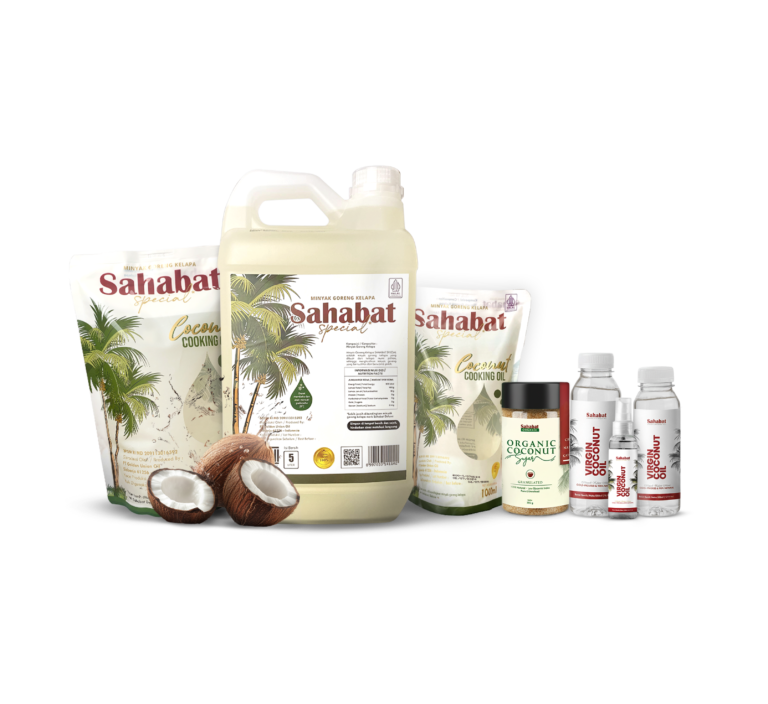
If you are unfamiliar with the product, our introduction explains its raw material and production methods. Read Sahabat’s guide to VCO.
What Happens When You Heat VCO?
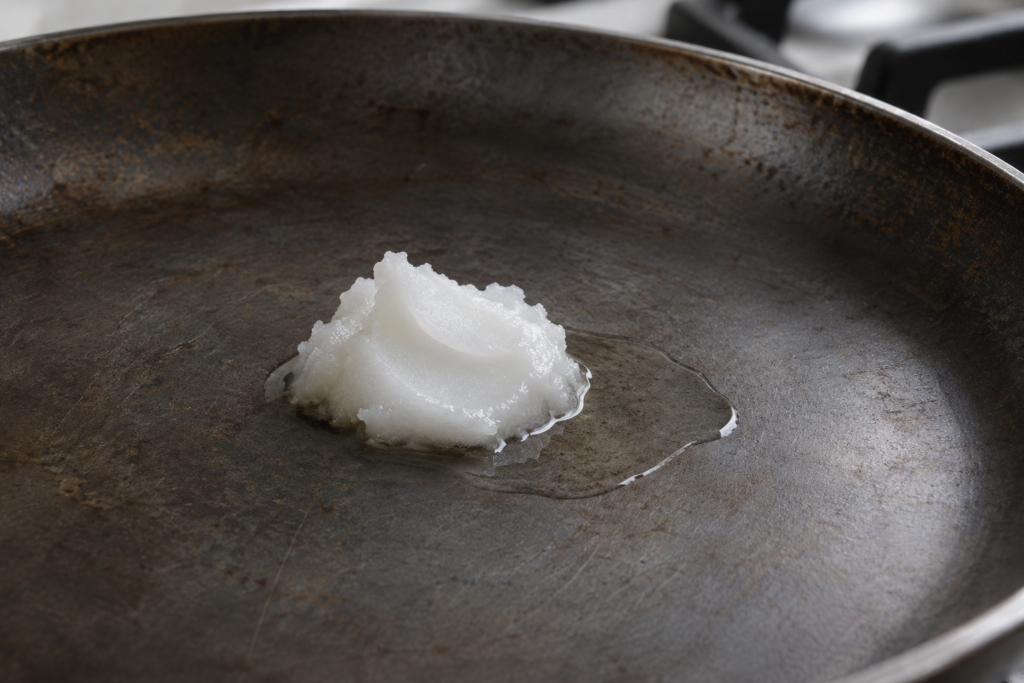
Virgin coconut oil can become firm in a cool room and liquid when warmed. In a pan, a white portion may soften at the edges before melting into a clear pool. This physical change explains why the oil can look different in storage and during cooking. doi.usp.org
Melting and smoking happen at very different temperatures. Oklahoma State University lists the smoke point of virgin coconut oil at approximately 177°C or 350°F. Treat this as a general reference when choosing a cooking method, and follow any product-specific guidance supplied by the manufacturer. Oklahoma State University
For stovetop use, prepare your ingredients before heating the pan. This helps you avoid leaving the oil heating while you chop vegetables or search for seasonings.
Which Dishes Can You Try with VCO?
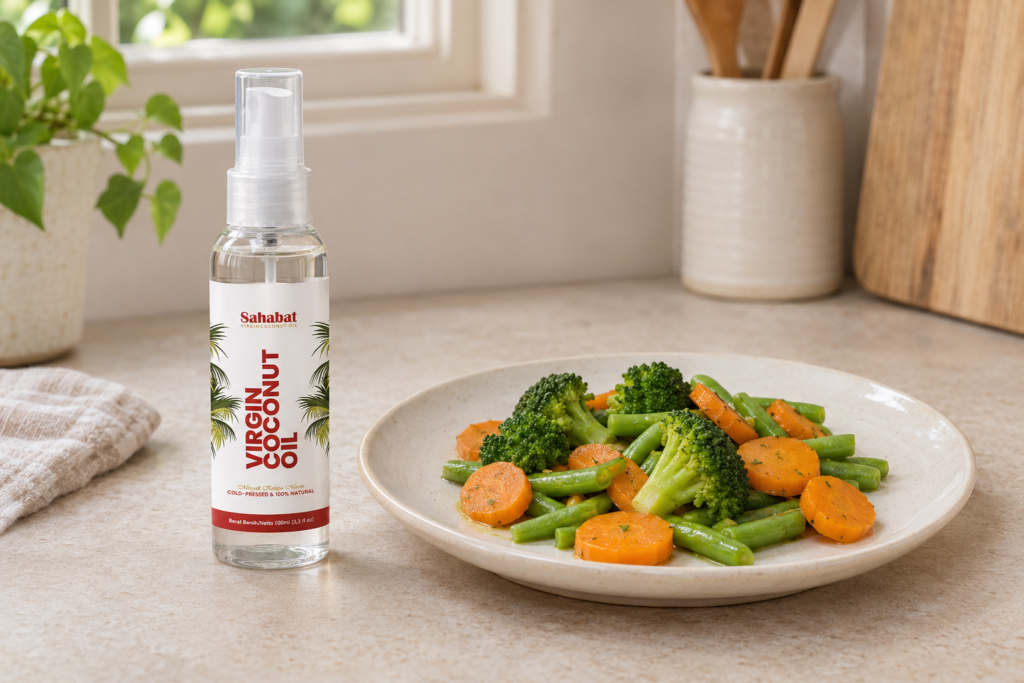
Quick Vegetable Sautéing
Quick sautéing is one of the culinary uses identified for virgin coconut oil. Keep the cooking controlled and pay attention to the pan throughout the process. The Nutrition Source
For a first trial, choose a simple dish with a short ingredient list. Cook a small portion, then taste it before adding strong sauces or seasonings. This makes it easier to decide whether you enjoy the coconut note.
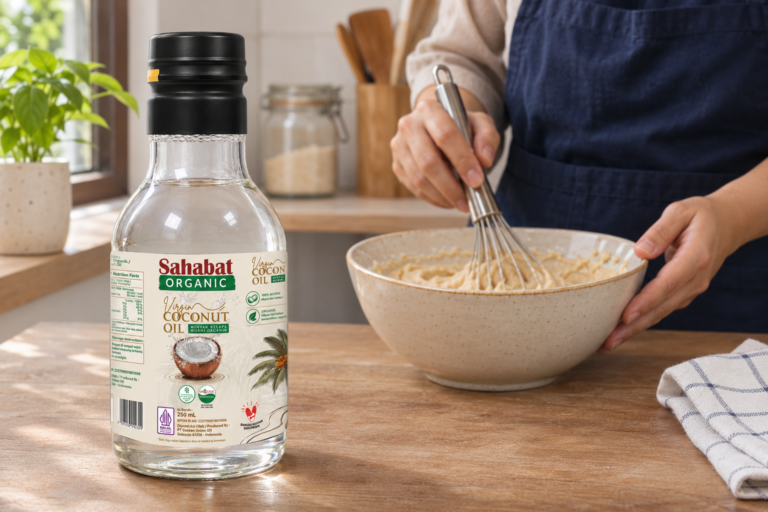
Muffins and Other Baked Goods
VCO can be used in baking, and its flavor deserves consideration alongside the recipe’s other ingredients. A recipe already developed for coconut oil provides a straightforward starting point. The Nutrition Source
Follow the recipe’s instructions for measuring and preparation. If it calls for melted coconut oil, prepare it in that state. Record any changes you make so a successful batch can be repeated.
For a bakery trial, note the oil quantity, mixing method, baking conditions, and finished texture. Taste the product after cooling as well as shortly after baking.
Recipes Where Coconut Flavor Fits
University of Florida guidance describes virgin coconut oil as having a characteristic coconut flavor, while refined coconut oil has a milder profile. This difference can help guide your choice. ask.ifas.ufl.edu
Consider testing VCO in recipes featuring coconut, banana, or chocolate. These are starting points for your own tasting. The finished result depends on the recipe and how much oil it uses.
When Should You Consider Refined Coconut Oil?
Refined coconut oil generally has a higher smoke point than virgin coconut oil. It is worth considering when your recipe requires higher heat or you prefer a more neutral flavor. Check the particular product’s cooking instructions before use. ask.ifas.ufl.edu
Sahabat’s guide explains how refining relates to the characteristics and uses of coconut cooking oil. Explore the differences between RBDCNO and VCO.
What Should You Check Before Buying VCO for Cooking?
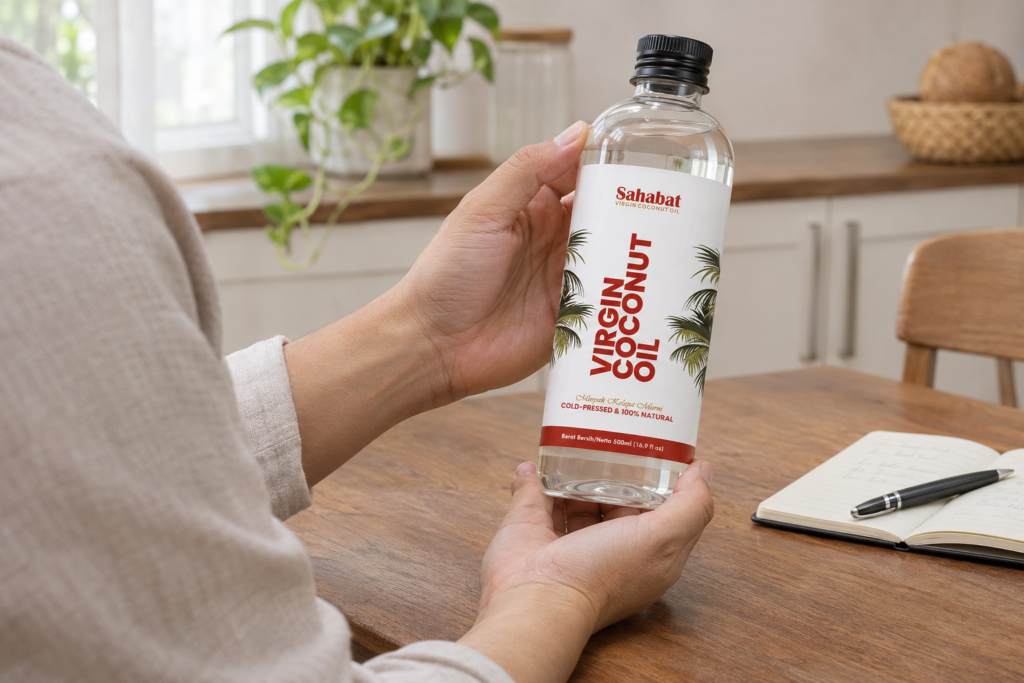
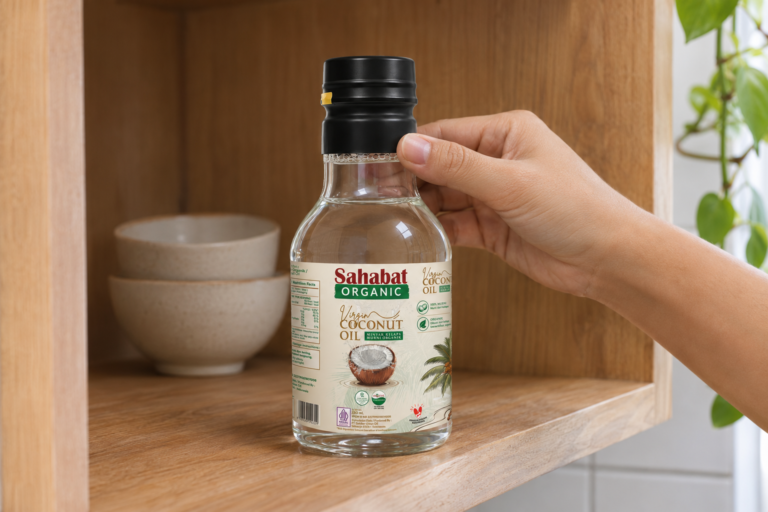
Read the label and confirm the intended use. Then consider the package size and how you will handle the oil in your kitchen.
For home cooking, choose a size that suits how often you plan to use it. For a café or bakery, test a small quantity in your actual recipe before placing a larger order.
Keep a brief record of the trial. Include the recipe, amount used, aroma, texture, and feedback from anyone tasting it. Those observations will help you decide whether VCO suits that particular dish.
Frequently Asked Questions
Does “Virgin” Mean the Oil Must Be Used Without Cooking?
The term describes the oil’s processing. Food-grade VCO has cooking applications, including baking and quick sautéing. The Nutrition Source
Will VCO Make My Food Taste Like Coconut?
It can contribute a coconut flavor. Try a small batch to see how noticeable it is alongside your other ingredients. ask.ifas.ufl.edu
Can I Use VCO for Deep-Frying?
Harvard’s Nutrition Source advises against using virgin coconut oil for very high heat methods such as deep-frying. Choose an oil with guidance suited to your intended frying conditions. The Nutrition Source
Find VCO for Your Kitchen with Sahabat
Planning to try VCO in a home recipe, café menu, or bakery product? Tell the Sahabat team what you are making and the quantity you need. Ask about available packaging and product usage information before choosing.
Masak Lebih Sehat dengan Minyak Goreng Kelapa Sahabat
100% minyak kelapa murni untuk rumah tangga, usaha, dan industri. Belanja online atau hubungi tim kami.