Does coconut oil taste like coconut? Not always. Virgin coconut oil usually retains a recognizable coconut aroma and flavor, while refined coconut oil is generally more neutral. The type of oil, the amount used, and the other ingredients in a dish influence how noticeable its flavor will be.
If you are considering coconut oil for cooking or baking, start with one question: do you want coconut to be part of the finished flavor?
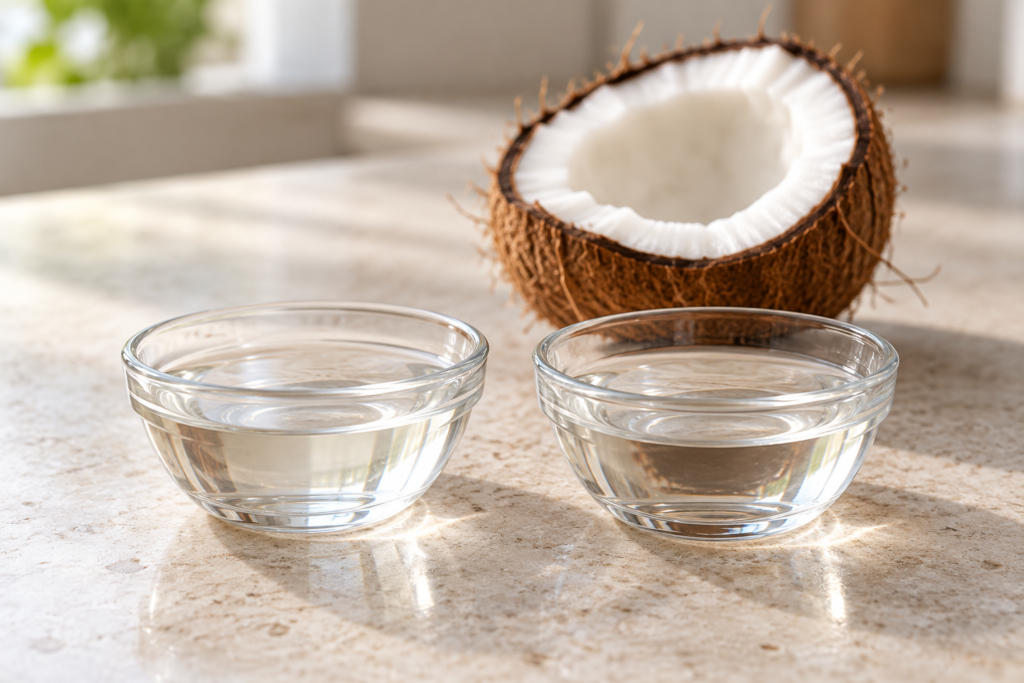
Table of Contents
Virgin vs. Refined Coconut Oil: What Is the Taste Difference?
Two products labeled “coconut oil” can create different results in the kitchen. Their processing helps explain
| Type | Typical flavor profile | When to consider it |
|---|---|---|
| Virgin coconut oil (VCO) | Recognizable coconut aroma and flavor; intensity varies | Recipes where coconut character is welcome |
| Refined coconut oil, including RBD coconut oil | Generally mild or neutral | Recipes where other ingredients should lead |
| Blends or formulated coconut cooking oils | Depends on the ingredients and proportions | Check the product information and test the specific variant |
These are general expectations, rather than a guarantee that every brand or batch will taste identical. A producer’s comparison of virgin and refined coconut oils, for example, describes the virgin version as coconut-flavored and the refined version as neutral. [1]
Why Does Virgin Coconut Oil Taste Like Coconut?
Virgin coconut oil generally retains more of the coconut’s characteristic aroma because it does not undergo the same refining and deodorizing process as RBD oil.
However, “virgin” does not mean every oil has exactly the same intensity. A sensory study comparing virgin and RBD coconut oils identified perceptible nutty aroma and flavor in the virgin samples, illustrating that coconut oil has a sensory profile that can be described beyond simply “strong” or “weak.” [2]
For everyday cooking, think of VCO as an ingredient that can contribute its own character. That may be desirable in coconut-forward recipes, but it deserves a trial when you want a delicate flavor.
Read more: What Is Virgin Coconut Oil? — Indonesian guide.
Why Can Refined Coconut Oil Taste Neutral?
RBD stands for refined, bleached, and deodorized. These processing stages address impurities, color, and odor. Deodorization helps reduce the aromatic character that people associate with coconut. [3]
A mild aroma is therefore compatible with the intended characteristics of refined coconut oil. It does not, by itself, mean the oil is diluted or poor quality. Equally, aroma alone cannot prove purity.
If avoiding coconut flavor is your main priority, look for a product described as refined or deodorized, then confirm its flavor specification. Do not assume every product sold as “coconut cooking oil” has the same formulation.
For more background, see What Is RBDCNO? — Indonesian guide.
Will Coconut Oil Make Your Food Taste Like Coconut?
It can, particularly when you use a noticeable amount of virgin coconut oil in a lightly flavored recipe. But the finished dish is the best place to judge the result.
Consider these practical variables:
- Oil quantity: Compare the amount of oil with the size of the whole recipe.
- Other ingredients: Evaluate whether the oil complements or competes with the flavors you want to highlight.
- Serving temperature: Taste the food at the temperature at which it will actually be eaten.
- The specific product: Repeat the trial if you change brands, variants, or formulations.
Do not rely on cooking to completely remove an unwanted coconut flavor. Choosing an appropriate oil at the beginning gives you more control.
Which Coconut Oil Should You Choose for Cooking and Baking?
Use the following ideas as starting points for a recipe trial, rather than fixed rules.
| Your goal | Starting point | What to evaluate |
|---|---|---|
| Add coconut character to granola | Virgin coconut oil | Whether its aroma fits the nuts, spices, and sweetener |
| Keep a vanilla cake delicately flavored | Refined coconut oil | Whether vanilla remains the main flavor |
| Develop a coconut-forward dessert | Virgin coconut oil | Balance with other coconut ingredients |
| Keep a savory dish focused on its seasoning | Refined coconut oil | Flavor after cooking and at serving temperature |
| Standardize a café or bakery recipe | A specified product and repeatable test | Flavor, texture, portion size, and batch consistency |
For baking, choosing a neutral-tasting oil only addresses flavor. Replacing butter can also change texture and handling. Use a recipe designed for coconut oil or conduct a small test before changing a full production batch.
How to Compare Two Coconut Oils in Your Own Recipe

A simple side-by-side trial can help home cooks and professional kitchens make a more useful decision than judging the label alone.
- Choose one recipe that represents how you plan to use the oil.
- Prepare two small batches using the same ingredient quantities.
- Change only the coconut oil being tested.
- Keep preparation, cooking time, and serving temperature consistent.
- Compare aroma, flavor balance, texture, and aftertaste.
- Record the product name and quantity so you can repeat the preferred result.
For a business, ask several people to evaluate samples without seeing the brand names first. Record their observations separately before discussing them together.
Choosing Coconut Oil from Sahabat
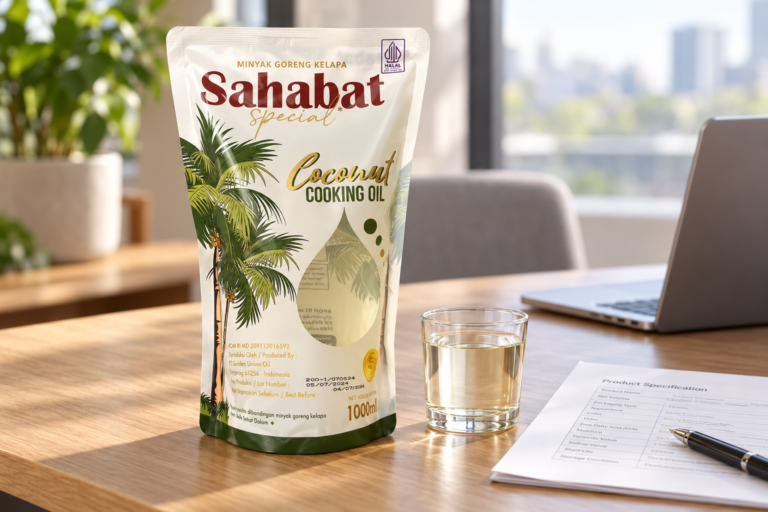
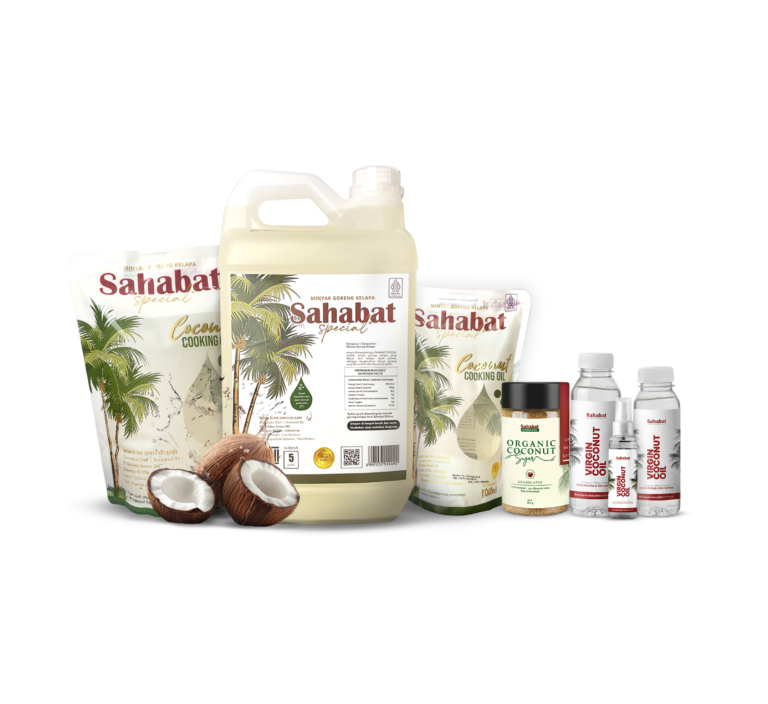
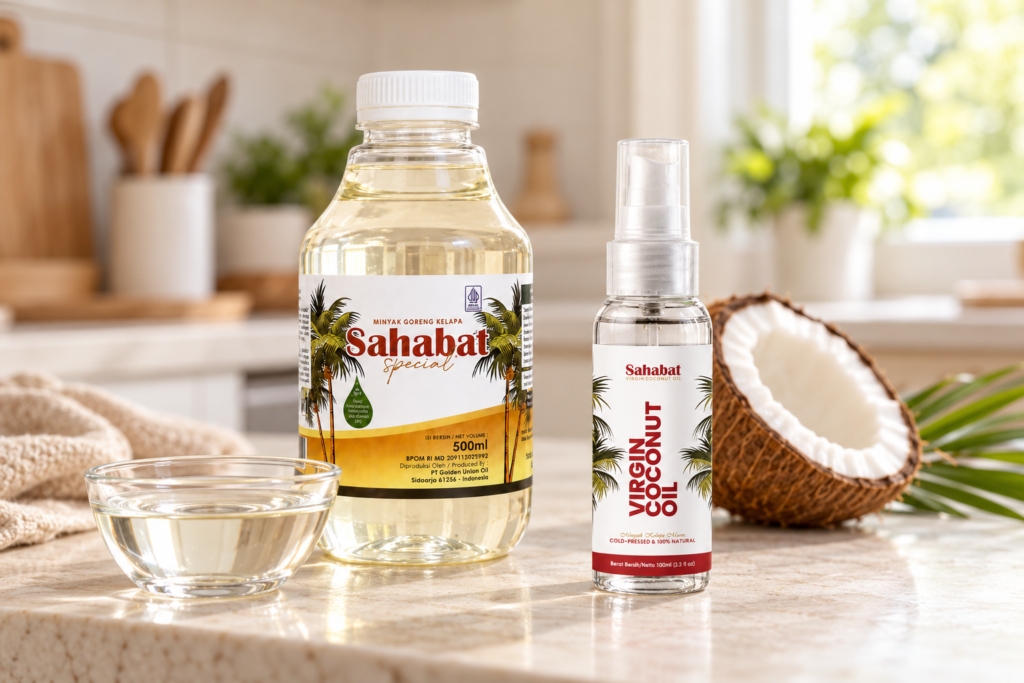
Sahabat offers coconut oil options for different applications. Its product information distinguishes refined coconut oil from virgin coconut oil, including differences in their processing and aroma. [4]
When contacting the team, explain your intended use and preferred flavor profile. For example: “We need coconut oil for a vanilla bakery product with minimal coconut aroma.”
Ask about the specific variant, its ingredients, available packaging, and product specifications. For commercial recipes, discuss sample availability and evaluate the oil in your own process before final selection.
Contact Sahabat Coconut Oil to discuss the option that fits your cooking or production requirements.
Frequently Asked Questions
Does all coconut oil have a strong coconut taste?
No. Virgin coconut oil typically has a more recognizable coconut character, while refined oil is generally more neutral. Intensity varies between products.
Which coconut oil should I choose if I dislike coconut flavor?
Start with refined, deodorized coconut oil described as neutral-tasting. Check the specific product information and try it in a small batch.
Is coconut oil without a coconut smell fake?
A neutral smell is normal for many refined coconut oils. Smell alone cannot establish authenticity; check the product identity, ingredients, and supplier information.
Will baking remove the taste of virgin coconut oil?
Do not assume it will disappear. Evaluate the finished baked product, and consider refined oil if coconut flavor is undesirable.
Is refined coconut oil always the better choice?
The better choice depends on your recipe. A neutral oil can help other flavors lead, while VCO can contribute coconut character when that suits the dish.
References
- Nutiva: Introducing Organic Refined Coconut Oil.
- Descriptive sensory evaluation of virgin coconut oil and refined, bleached and deodorized coconut oil. Research summary.
- Sahabat: Apa Itu RBDCNO?.
- Sahabat: Products.
Masak Lebih Sehat dengan Minyak Goreng Kelapa Sahabat
100% minyak kelapa murni untuk rumah tangga, usaha, dan industri. Belanja online atau hubungi tim kami.