Coconut sugar offers a potential point of difference for food brands, ingredient distributors, and specialty retailers. For suppliers, however, an appealing product story is only the beginning. International business also depends on a clearly defined product, documented quality, suitable packaging, and an agreement the supplier can deliver consistently.
This market insight examines potential applications and practical purchasing questions. It does not claim a verified 2026 global market size or growth rate.
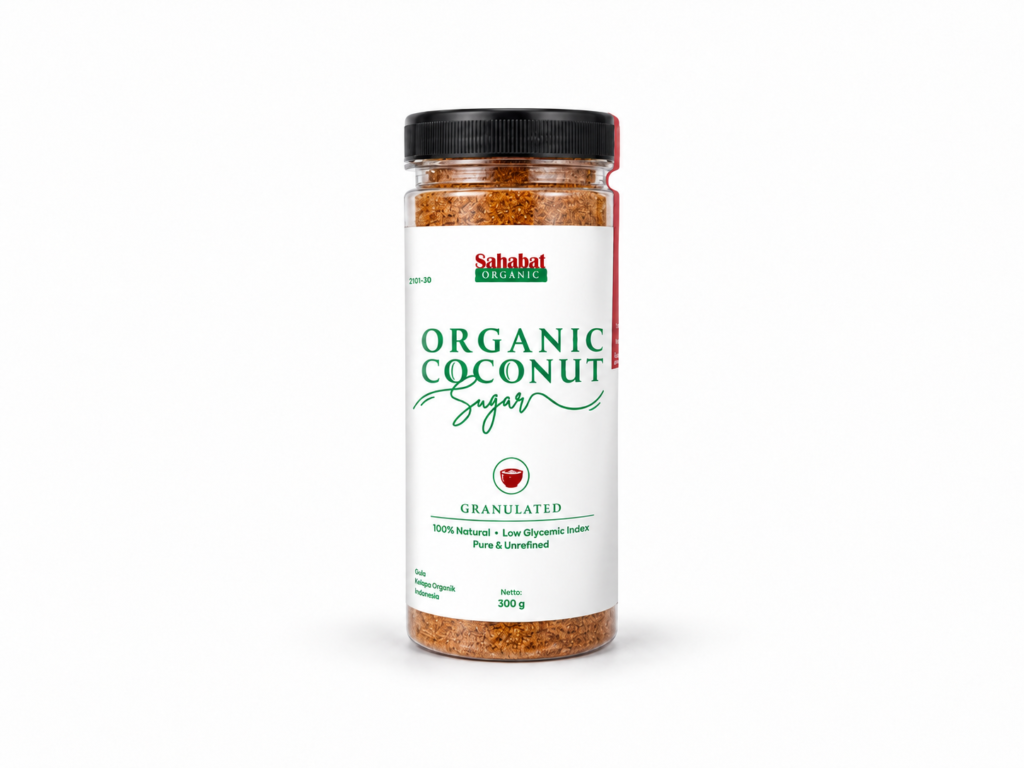
Table of Contents
Understanding the Product and Its Market Position
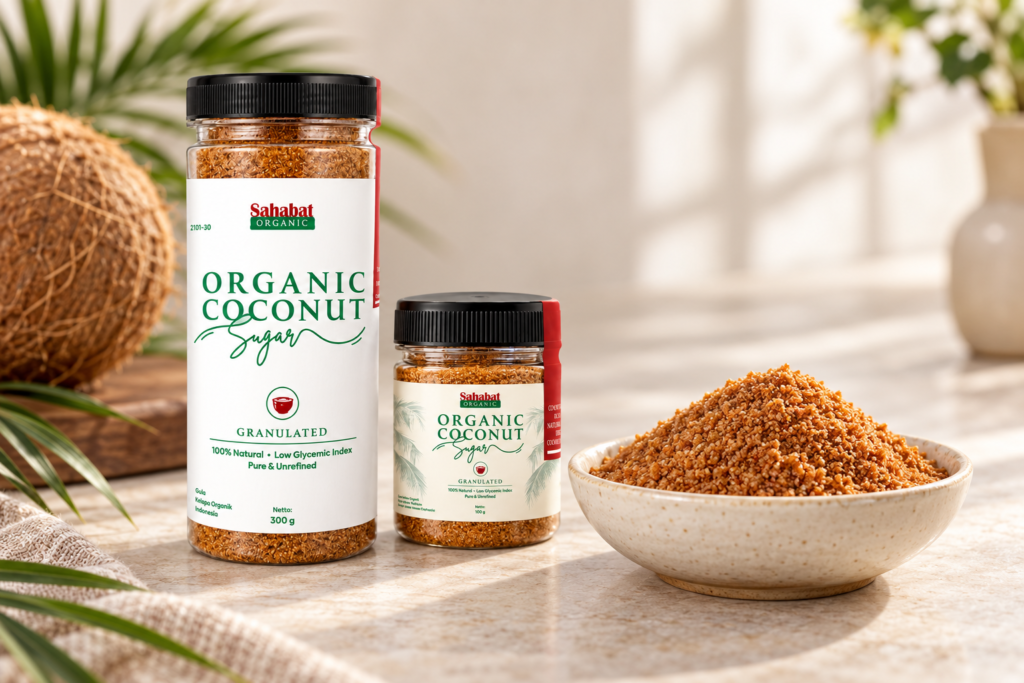
Coconut sugar is made from the sap of coconut palm flowers. It is a distinct ingredient from coconut flesh products such as desiccated coconut and coconut milk powder.
CBI’s European market study, last updated in May 2022, identifies bakery, confectionery, and beverages as applications and discusses opportunities in specialty and organic food channels. It also identifies competing sweeteners and price as commercial challenges. These findings provide background, rather than a current measurement of market growth. [1]
For an international buyer, the useful question is specific: what role will coconut sugar play in the finished product, and can the supplier meet that requirement?
Where Suppliers Can Explore Opportunities
The following are suggested routes for commercial evaluation, not a ranking of the fastest-growing markets.
| Potential buyer | Opportunity to explore | First question to resolve |
|---|---|---|
| Food manufacturer | A coconut sugar version of an existing or new product | Does the ingredient work in the formulation at the intended cost? |
| Specialty retailer | A clearly presented alternative sweetener on shelf | Who is the target customer, and what explains the product’s difference? |
| Ingredient distributor | Supplying several smaller business customers | Can stock, documentation, and replenishment be managed reliably? |
| Café or food-service operator | Incorporating coconut sugar into a defined menu item | Is preparation practical and repeatable during service? |
| Certified organic brand | An ingredient for a certified organic product range | Does the certification cover the product and intended supply chain? |
Start with one buyer segment and one application. A proposal for a bakery ingredient should answer different questions from a proposal for a retail jar.
Define the Coconut Sugar Before Quoting It
Avoid treating every product sold as coconut sugar as commercially interchangeable. Ask the supplier to identify the botanical source, ingredient composition, physical form, origin, and processing information relevant to the order.
For a new business relationship, a useful editorial starting point is a one-page product brief containing:
- The exact product name and code.
- Whether it is granulated, powdered, or another form.
- An ingredient declaration, including any added ingredients.
- The intended application and destination market.
- The documents and sample needed for evaluation.
This brief creates a shared reference for the buyer, supplier, and production team. It also makes it easier to spot a quotation that describes a different product from the one requested.
Turn Quality Expectations into Measurable Specifications
CBI’s market-entry guidance highlights the importance of technical documentation, Certificates of Analysis, and meeting buyers’ agreed quality specifications. It also discusses additional food safety certification requests. [2]
For sample approval, ask the buyer which characteristics are essential to the application. Possible discussion points include particle size, color, moisture, flavor, and the ability to handle the ingredient using the buyer’s equipment.
Record an acceptance method, not only an adjective. “Fine granules,” for example, is more useful when accompanied by an agreed size description. “Consistent color” needs a reference and an acceptable range.
Do not invent universal limits for every coconut sugar product. Agree the specification and relevant tests with the buyer’s quality team, taking the destination and intended use into account.
A sample approval should identify the product code and specification version so that the subsequent order can be checked against the same basis.
Evaluate the Ingredient in the Intended Application
These are suggested trial steps for buyers and suppliers, rather than results of tests conducted by Sahabat.
For a bakery application, use the candidate sugar in a controlled recipe trial and assess the finished product after cooling and packaging. For a beverage, evaluate preparation time, appearance, taste, and any residue under the actual serving conditions.
Keep the recipe and process records. If the formula changes during testing, record the change instead of attributing every difference to the sugar.
A successful trial should end with a decision: approve the ingredient, request a different specification, adjust the application, or stop the evaluation. This is more actionable than describing a sample as “premium.”
Separate Organic Certification from Shipment Documentation
An organic product certificate and the documents needed for an international shipment serve different purposes.
For organic imports into the United States, USDA states that each shipment must be associated with an NOP Import Certificate issued by an accredited certifying agent through the Organic INTEGRITY Database. This requirement has applied since March 19, 2024. [3]
For organic products imported into the European Union, the European Commission identifies an electronic Certificate of Inspection, administered through TRACES, as part of the import requirements. [4]
These are examples of organic-specific requirements, not a complete export checklist. Before accepting an order, confirm the product’s certification scope and the applicable shipment process with the importer and certifier. Do not assume that a logo on a label establishes eligibility for every destination.
Make Packaging Part of the Product Agreement
CBI notes that coconut sugar can absorb moisture and that suitable protective packaging matters during shipment. Its guidance also identifies batch information, net weight, storage conditions, and date marking among information buyers may request. [2]
As a practical purchasing step, evaluate how the proposed pack will be received, opened, stored, and used. A manufacturing customer and a retail customer may need different formats.
Agree on pack construction, closure, label artwork, and remaining shelf life at delivery. Use the manufacturer’s validated storage and shelf-life information rather than applying one period to every product.
Explain the Product Without Overstating Claims
A useful proposal focuses on attributes that can be demonstrated: ingredient identity, origin, sensory characteristics, sample performance, and documented certification.
“Natural” is not a substitute for a specification. An organic claim does not establish a product’s technical suitability for a recipe. Environmental and social claims should be linked to evidence about the relevant operation.
Position coconut sugar as an ingredient with a defined commercial role. Avoid building a sales proposal around unsupported claims that it prevents disease or is suitable for unlimited consumption.
Agree on the Commercial Details Early
The following is a suggested quotation checklist, not a statement of Sahabat’s current export terms:
| Quotation item | Detail to agree |
|---|---|
| Product | Approved code, specification, and certification scope |
| Quantity | Trial order, repeat order, and realistic replenishment volumes |
| Packaging | Net weight, pack format, and artwork responsibility |
| Price | Currency, unit basis, quotation validity, and included costs |
| Delivery | Named destination, agreed trade term, and estimated lead time |
| Documents | Required product, shipment, and certification records |
| Changes | Notification process for specification or supply changes |
| Complaints | Evidence needed and agreed steps for resolving nonconforming deliveries |
Compare like-for-like offers. A lower price may cover a different pack, documentation package, or delivery responsibility.
A Practical Next Step for Buyers
Prepare a short sourcing brief before requesting prices. Include the destination country, intended application, preferred format, estimated volume, required certification, and planned launch date.
Then request a representative sample and the corresponding specification. Align the technical approval with the commercial quotation before moving to a larger order.
Coconut sugar’s international opportunity is best evaluated at this level: a specific product meeting a specific buyer’s needs, supported by a supply arrangement that can be maintained.
Frequently Asked Questions
Is coconut sugar automatically organic?
No. Confirm certification for the particular product and the relevant operations. A product name or ingredient origin is not enough to establish certified organic status.
Which international market should a supplier target first?
Start with a market where the supplier can meet buyer requirements, documentation needs, logistics, and pricing expectations. This article does not establish a current country ranking.
What should a buyer request before placing an order?
Start with a representative sample, current specification, ingredient information, relevant test documentation, and a quotation that identifies packaging and delivery responsibilities.
Can all bakery products use the same coconut sugar specification?
Do not assume so. Evaluate the ingredient in the intended recipe and process, then document the approved specification.
Discuss Your Coconut Sugar Requirements with Sahabat
Exploring coconut sugar for a food product, retail range, or food-service application? Contact Sahabat Coconut Oil with your intended use, destination, preferred packaging, and estimated quantity.
Ask the team to confirm current product information, availability, and documentation relevant to your request.
Sources
- CBI — The European market potential for coconut sugar. Updated May 10, 2022; used for historical market context and applications, not current growth forecasts.
- CBI — Entering the European market for coconut sugar. Updated May 10, 2022; used narrowly for general buyer documentation and packaging considerations.
- USDA AMS — Electronic Organic Import Certificates. Official information on U.S. organic shipment documentation.
- European Commission — Trade in organics. Official information on EU organic imports and electronic Certificates of Inspection.
Masak Lebih Sehat dengan Minyak Goreng Kelapa Sahabat
100% minyak kelapa murni untuk rumah tangga, usaha, dan industri. Belanja online atau hubungi tim kami.